
© Julio Teehankee
“Poor institutional design can make the path easier for backsliders, while strong institutional design can strengthen the resistance of democracy.”
This appears to be the main thesis of the report published by International IDEA in 2023 entitled “Designing Resistance: Democratic Institutions and the Threat of Backsliding.” It recognizes that institutions matter – but there are other factors at play such as state capacity, engaged citizenry, nature of the media and broader political culture.
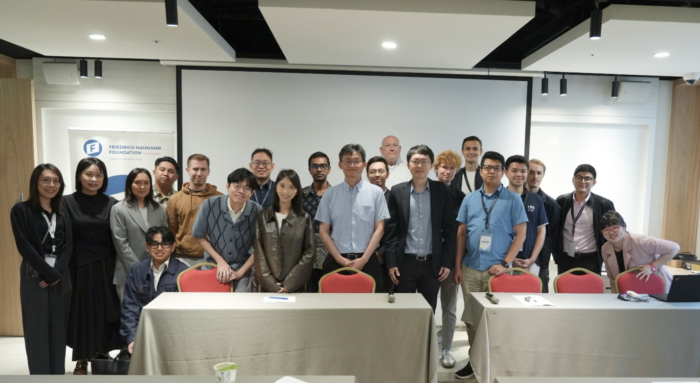
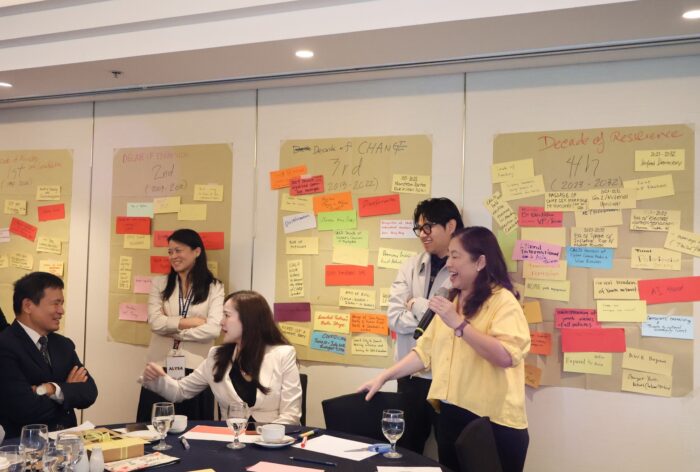
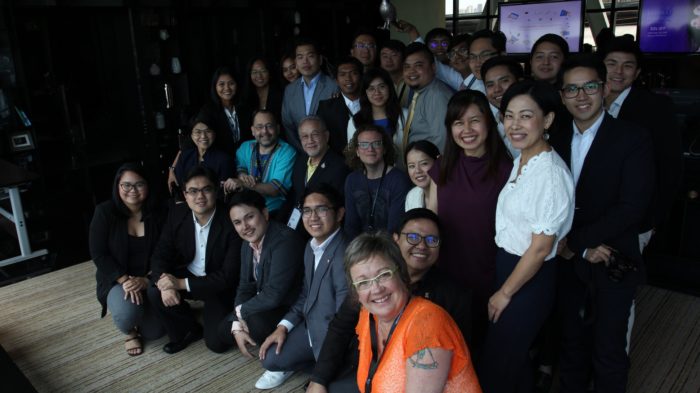
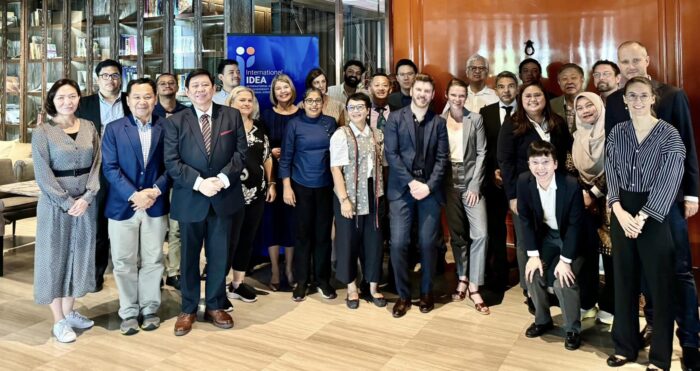
In Asia, where institutions can be disregarded, even overhauled, by powerful political personalities, the threat of democratic backsliding becomes more imminent than ever. It was for this reason that International IDEA convened a regional conference which hoped to understand the drivers, forms and potential responses to democratic backsliding in Asia. Held on 12-13 November 2024 in Bangkok, Thailand, the conference assembled more than thirty experts and practitioners to discuss strategies for resisting backsliding and building the resilience of democratic institutions.
The event was divided into six sessions, including the introductory and concluding sessions. The four thematic sessions focused on:
- Elections, representation and parliaments. This session looked into efforts to undermine democratic representative institutions and processes such as tilting the electoral playing field and weakening the powers of the opposition in the parliament.
- Independent institutions. This session considered threats to both the independence of institutions like the judiciary and integrity bodies, as well as to their accountability.
- Civil society. This session examined ways in which laws are made and applied to shrink civic spaces and to manipulate the information eco-system to limit free and open discussion and criticism of government.
- Strategies for resilience. This session drew on examples to identify strategies to strengthen political and constitutional frameworks to address or prevent backsliding.
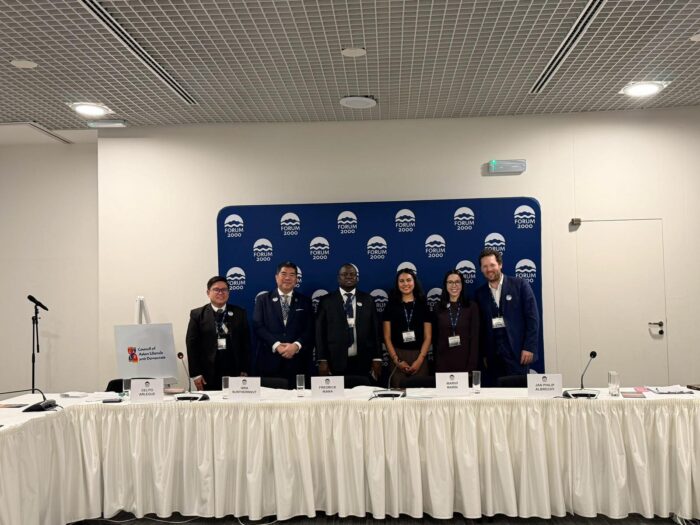
CALD Chairperson and Cambodian Senator Mardi Seng represented CALD in the regional gathering. Reflecting on his participation, he said: “The high-level and incisive discussions during the conference demonstrated that the extent of democratic backsliding in the Asian region was much worse than what we know. The root of the problem, it appears, is the concentration of executive power, which, combined with socio-economic inequities, apathetic or disillusioned citizenry, and personality-oriented culture, can have negative repercussions on democratic institutions and processes. The great thing about the conference was it also impressed on us the possible ways forward in terms of addressing backsliding and building resilience. For this reason, we went back hopeful for the possibilities of positive change through institutional reform.”