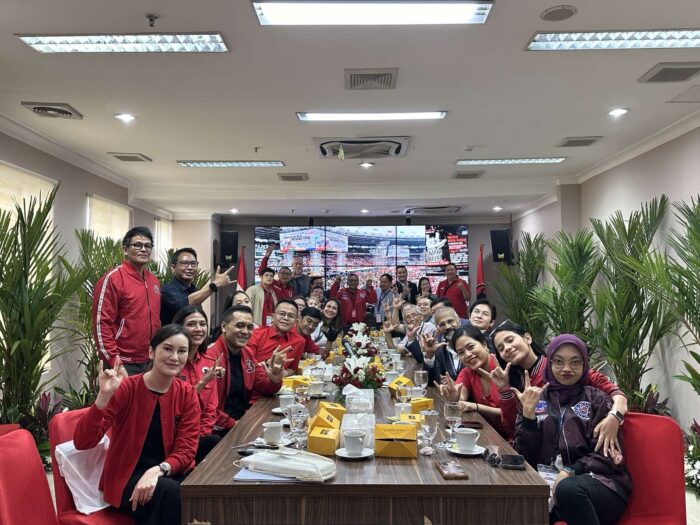

“The AWE programme may come to an end, but the sisterhood we have built continues in the hands we extend,
The doors we open, and the commitments we keep. May we remain steadfast and transcend beyond what we have imagined and shape the future worthy of our shared ambitions.”
This excerpt from the commitment oath — drafted by the fellows themselves — captures the enduring commitment of this year’s Asian Women Education (AWE) Mentorship Program and its conviction that women’s leadership should not be measured solely by the number of women who occupy positions of power, but by their ability to shape decisions, challenge unequal power structures, and create opportunities for others to lead. As the second cohort closes the last chapter of its journey, the work of building more inclusive democracies continues with women leading, supporting one another, and shaping the future together.
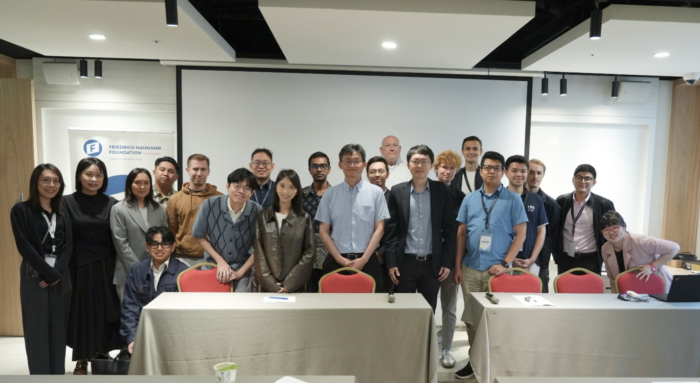
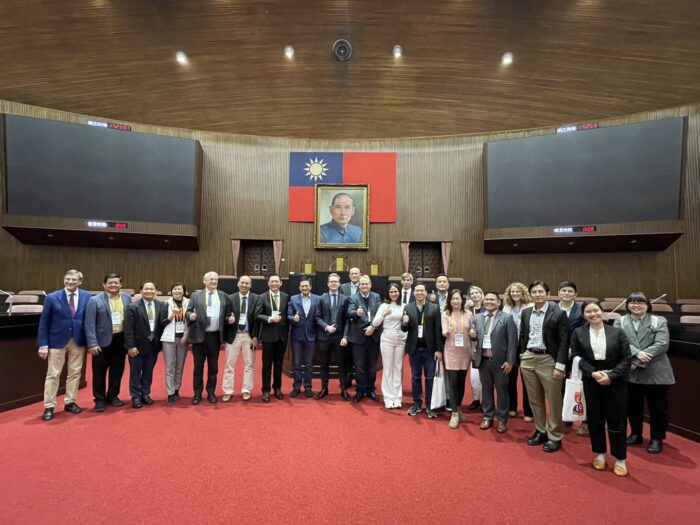
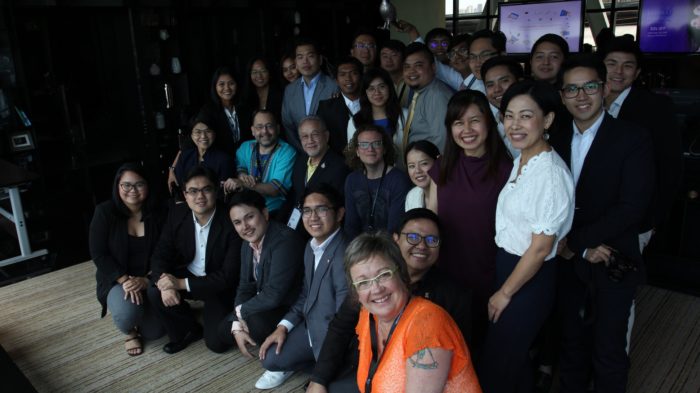
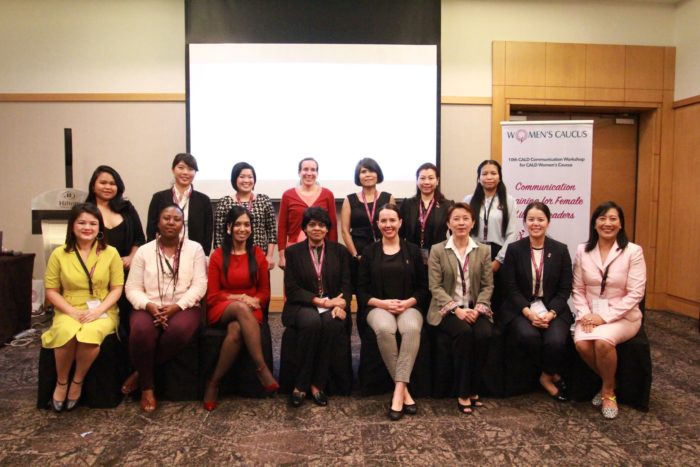
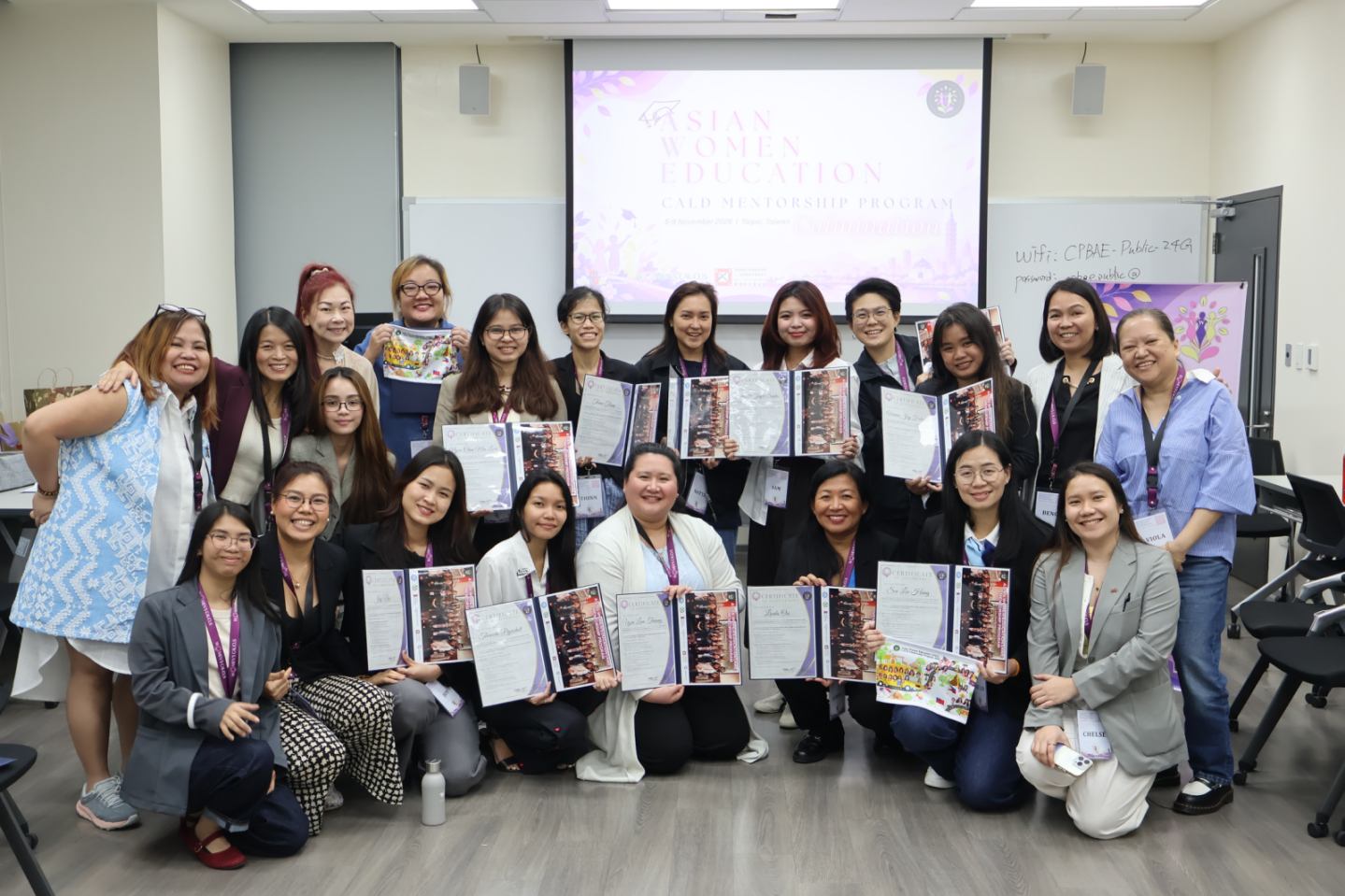
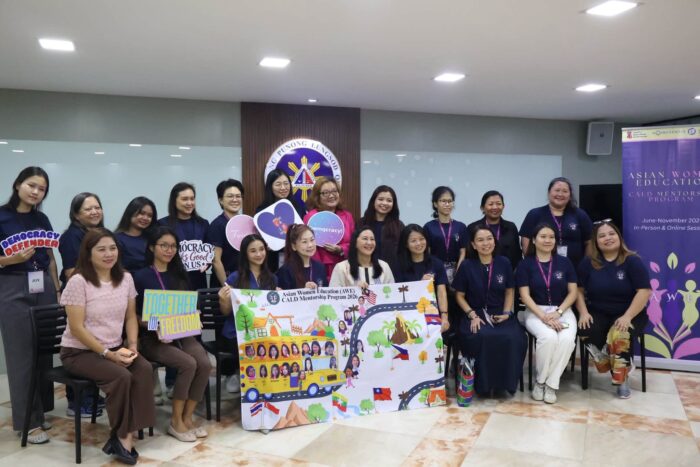
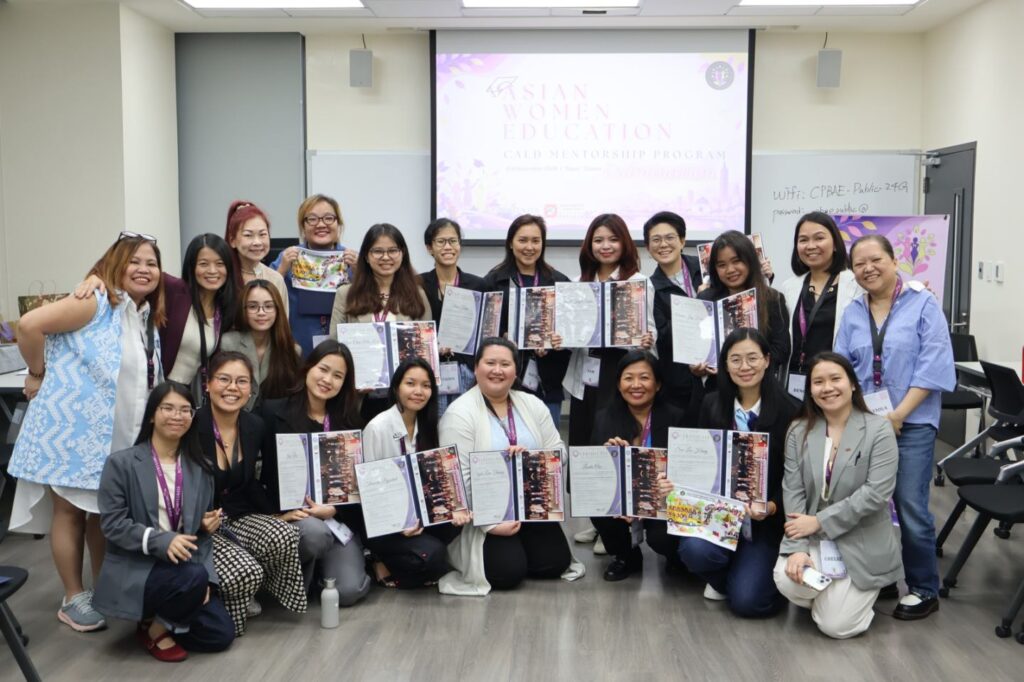
After six months of mentorship and learning, the second cohort of AWE gathered in Taipei, Taiwan, from 5 to 9 November 2026 for its culminating activities. Organized by the Women’s Caucus of the Council of Asian Liberals & Democrats (CALD), the culmination brought together twelve mentees, their four mentors, and leadership coaches to reflect on their journey and realize how their experiences can translate into meaningful political and public leadership.
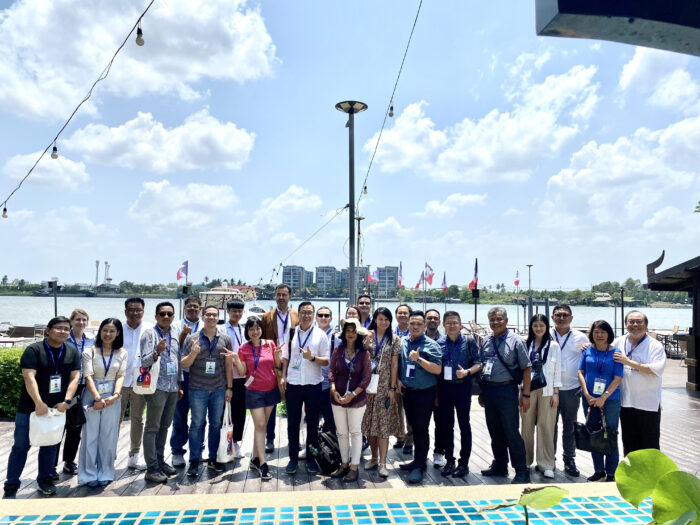
Launched in Bangkok in June 2026, the programme followed three interconnected chapters: Knowing Self, Leading with Others, and Shaping the Future. Through sustained mentorship, shared learning, and practical engagement, the mentees explored their leadership identities and developed their understanding of transformative feminist leadership.
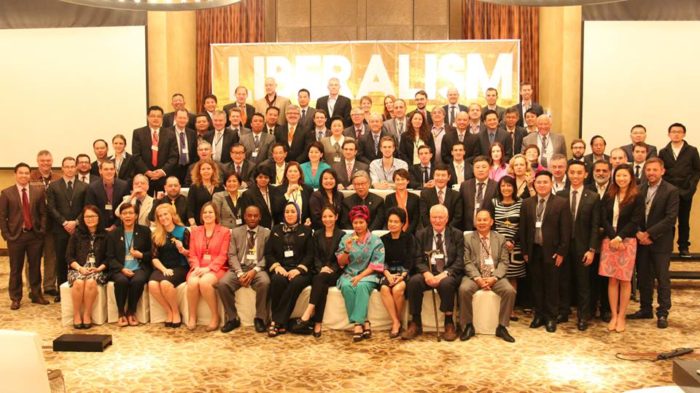
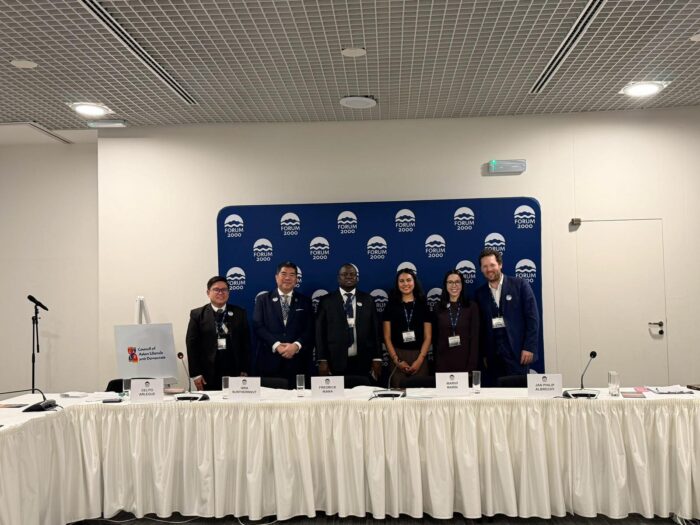
On 5 and 6 November, the AWE cohort participated in the 65th Congress of Liberal International, themed “Building Resilient Democracies for a Secure Future.” Their participation provided an opportunity to engage with liberals and democrats from other regions, observe how decisions are shaped within long-standing international organizations, and gain a wider perspective on the challenges facing democratic institutions and political movements.
The official AWE culmination began on 7 November with visits to the campaign headquarters of Taiwan Legislators Su Chiao-hui and Puma Shen. These learning visits offered the mentees a closer look at political organizing and electoral campaigns, allowing them to observe how political leaders build support, engage constituents, and navigate the demands of public leadership.
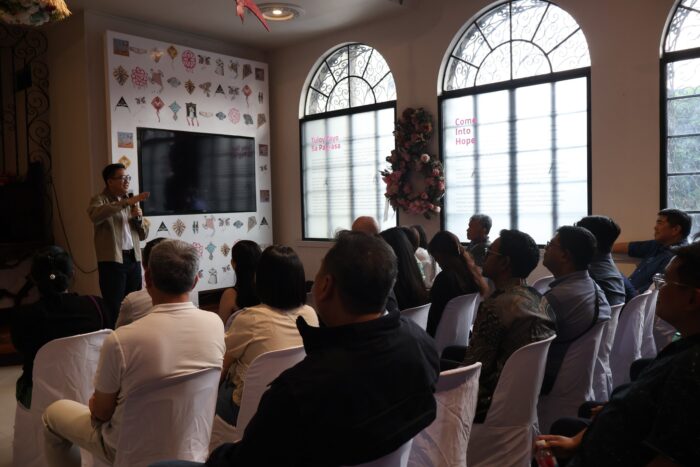
In the afternoon, the cohort gathered at the Center for Public and Business Administration Education of the National Chengchi University (NCCU) for a screening of the Taiwanese documentary “Dear Sister”, which tells the story and honors the legacy of Peng Wan-ru, a pioneering feminist and politician who championed women’s political participation and gender equality in Taiwan. This was followed by a discussion with Atty. Yen-Jong Lee, Director of the Gender Equality Department of the Democratic Progressive Party (DPP), which enlightened the audience on the purpose of creating the documentary. “The reason why we made this documentary is that we want the greater public to remember Peng Wan-ru for what she contributed to politics by enhancing more women to come in and join politics. So we don’t want them just to remember [her] because she was killed. She was not only killed. She was raped and murdered. And that’s tragic, of course, but we want the greater public to remember her in another way, not only her tragic death.” Through Peng Wan-ru’s story, the mentees reflected on the struggles behind the advancement of women’s rights and the responsibility of future generations to continue the work of building more inclusive political institutions. “So after 30 years, we come to an era where the men — for the smart ones — they know how to pretend to be politically right, even though they don’t really truly believe in gender equality in their inside… So what we have to do… we have to keep going until everyone truly embraces gender equality in their mind, in their action, in their daily life… One of the major missions of my department is to have more female younger generation to join us, to join the politics but it’s very difficult…we still need more women to come in, to join us, and to make our political sphere more friendly to women, to all genders.”, Director Lee added.
The programme continued with a panel discussion on “Political Reform Strategies: Deliberative Democracy, Feminist and Collective Governance, Participatory Reform,” moderated by Atty. Cyrille “Beng” Abueg-Zaldivar, Head of the Women’s Caucus of the Liberal Party of the Philippines and an AWE mentor. The panel brought together Governor Trina Alejandra Firmalo-Fabic of Romblon, Philippines, and member of the Liberal Party; Hania Knio of the International Federation of Liberal Youth (IFLRY); and Dr. Josephine Zgheib of the Arab Network for Social Accountability (ANSA). Together, the discussion explored how feminist principles can translate into more inclusive, participatory, and responsive political institutions.
Drawing from their experiences in local governance, youth leadership, and political organizing, the panelists underscored the need to make institutions more accessible, challenge structures that tell women to “wait for your turn,” and build stronger networks of support among women. Governor Firmalo-Fabic urged leaders to ask, “Who’s not in the room? Whose voices are not heard?” while Knio emphasized that inclusive leadership must be practiced, not merely discussed. Dr. Zgheib echoed the importance of solidarity, reminding the mentees that “Together, we can be stronger.” Across their different contexts, the panelists shared a common message: women’s leadership must go beyond representation to changing how power is exercised, whose voices shape decisions, and how institutions serve the public. Their experiences encouraged the mentees to see feminist leadership not only as an individual pursuit, but as a collective effort to make democratic institutions more responsive, inclusive, and accountable.
The day concluded with an intimate yet meaningful celebration of the 20th Anniversary of the CALD Women’s Caucus, hosted by the Democratic Progressive Party (DPP) of Taiwan. Bringing together women leaders, partners, and members of the liberal democratic movement, the gathering marked two decades of advancing women’s participation and leadership in Asia. Simple in format, the occasion carried the significance of honoring the women, relationships, and collective efforts that have sustained the Caucus throughout the years.
The evening opened with welcome remarks from Director Lee and Francis “Blue” Abaya, CALD Secretary General, followed by an anniversary message from Jaslyn Go, Chairperson of the CALD Women’s Caucus. Both reflected on the Caucus’ two-decade journey and the enduring values that continue to guide its work. “Over the years, our leaders may have changed, but the values and aspirations that unite us have remained steadfast and relevant… They are commitments that must be renewed by every generation of women leaders, and by every man and woman who believes that democracy is stronger when everyone has a seat at the table.” The celebration continued with an open mic segment featuring a video message from Mu Sochua, former Chairperson of the CALD Women’s Caucus, alongside personal reflections shared in person by Angie Wang, a fellow of the 2025 AWE Mentorship Program, Ingrid Yeh, who served as a leadership coach for the same cohort, and Chelse Racar Caballero as the CALD Secretariat Lead for AWE Mentorship Program.
On 8 November, the final day of the culmination focused on the mentees’ transition from participants in a mentorship programme to fellows carrying forward a shared commitment to women’s leadership.
The morning opened with “Navigating the Room: Presence, Protocol & Communication for Women Leaders,” facilitated by Jaslyn Go, who explored how women can navigate formal leadership spaces with confidence, communicate effectively, and build meaningful connections with stakeholders. She emphasized that effective leadership is grounded in kindness, presence, and respect, being attentive to others, observing professional etiquette, communicating with confidence and humility, and creating space for every voice to be heard.
This was followed by a session on “Feminist Culture & Care,” facilitated by Viola Jo Ann Torres, Psychosocial Specialist at the Center for Women’s and Gender Studies of the University of the Philippines. The session emphasized care as both a personal and collective practice, inviting the mentees to reflect on how they can foster healthier and more sustainable leadership cultures while challenging expectations of burnout and self-sacrifice.
In the afternoon, each mentee delivered a two-minute “Story of Self” pitch, drawing on the first draft during the launch and the storytelling work developed throughout the chapters of the programme. Through their individual narratives, the fellows shared how their experiences, values, and learnings had shaped their leadership identities and political purpose.
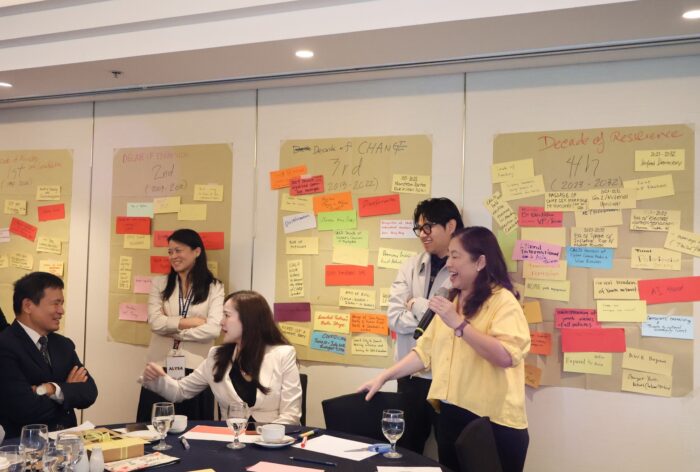
The cohort then worked together to draft a commitment oath in their own words, affirming that their leadership journeys and responsibility to advance women’s participation would continue beyond AWE. This was followed by the opening of the “Time Capsule”, where the mentees revisited personal items they had entrusted to the organizers at the beginning of the programme. The activity offered a moment to look back on the aspirations they carried six months earlier and recognize how far they had come.
The journey formally concluded with the AWE Awarding Ceremony. Featuring a keynote message from Deputy Minister Lin Ching-yi of Taiwan’s Ministry of Health and Welfare, the ceremony celebrated the mentees’ growth and commitment through reflections from the cohort representative Joy Nar, personal messages from their mentors, and the presentation of certificates and special distinction awards. The fellows also recited their collective commitment oath, bringing the programme to a close with a reaffirmation of the values and sisterhood they had built together.
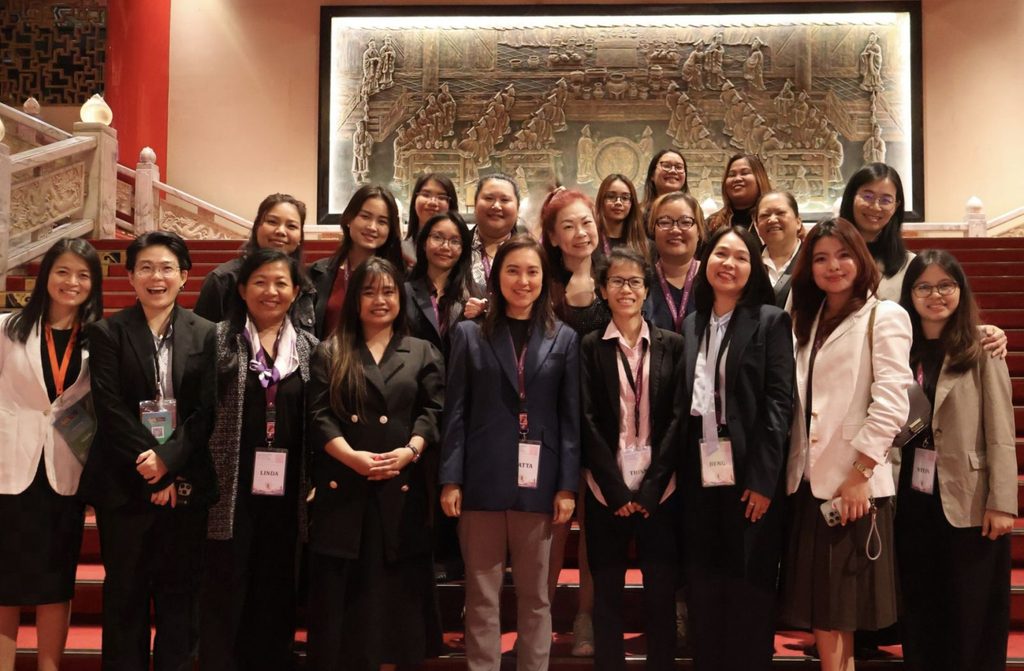
A sisterhood beyond the programme
AWE was established on the belief that women’s meaningful participation in political and public life must go beyond representation. It requires the confidence, resources, mentorship, and networks that enable women not only to lead programmes and communities, but also to shape the institutions, priorities, and future of democracy.
As the second cohort moves forward as AWE fellows, they carry with them the lessons, relationships, and commitments formed throughout the six-month journey. The cohort is also working on a collective photobook featuring photographs, video stills, and other visual materials from the programme. Now in production, the fellows hope to release the publication in March 2027, in time for Women’s Month, as a lasting record of their shared experiences.
The formal programme may have come to an end, but the work of building a stronger community of women leaders continues in the “hands they extend, the doors they open, and the commitments they keep”. This is the spirit of “Sisterhood across borders”, a recognition that while women may lead in different countries, political contexts, and communities, they remain connected by shared aspirations, mutual support, and a collective commitment to shaping a more inclusive democratic future.
The AWE Mentorship Program 2026 was organized with the support of the Friedrich Naumann Foundation – Asia (FNF Asia) and the Taiwan Foundation for Democracy (TFD). The programme was facilitated by Maya Tamayo and Viola Torres of BAYI Inc., whose guidance and facilitation supported the mentees throughout their six-month journey.